Literary Hub Publishes an Excerpted Poem by Antonella Anedda in English Translation
Literary Hub has shared an excerpt from Antonella Anedda’s *Emerging from the Winter Sea*, giving English-language readers a look at the Italian poet’s storm-filled, image-driven work in Wallis Wilde-Menozzi’s translation. The piece appears with publication details crediting Farrar, Straus and Giroux and the relevant copyright holders.
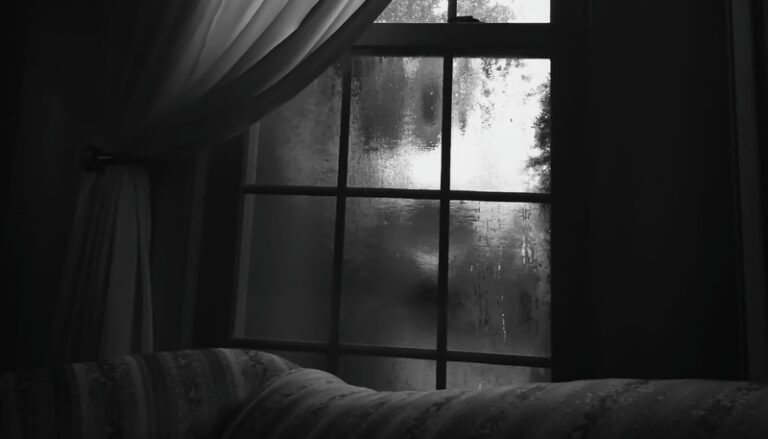
Literary Hub has published a poem by Italian writer Antonella Anedda, presented as an excerpt from *Emerging from the Winter Sea* and translated into English by Wallis Wilde-Menozzi. The selection brings readers into a house, a city, and a weather system at once, moving from rooms full of wind-tossed towels to the sound of rain, carpets, and thunder.
The poem’s opening creates a sensation of disorientation that is emotional as well as visual: nostalgia, dreams, and the unfinished glimpse of a house in the morning all appear together. From there, the scene widens into a domestic interior where ordinary movement—the vacuum cleaner, the shifting of carpets, the opening of glass doors—becomes part of a larger atmosphere of anticipation. The excerpt is notable for the way it turns small details into a record of changing perception.
As the storm arrives, the poem tracks a shift in light, sound, and space. The walls are described as whitened by rain, the ceiling hangs high above, and footsteps become cautious in the corridors. Rather than presenting the home as a place of firm shelter, the poem emphasizes openness: a plant is moved in front of the balcony, windows are opened to the rain, and the boundary between inside and outside becomes unstable. That tension gives the poem its momentum.
The translation also carries the poem into a wider urban view, where tall houses stand with closed doors, lamps glow beside small tables, and cards are laid out. The passage suggests a city in which private rituals continue behind shut entrances while the storm remains visible in the air. In the final lines, the rain is distinguished from hail, thunder is described without fury, and the tree and roof appear as part of a severe geometry that divides the city from the sky.
For readers following contemporary poetry in translation, the publication highlights the continuing role of literary magazines and online platforms in introducing international work to an English-speaking audience. It also points to the importance of translators such as Wilde-Menozzi, whose version is credited alongside the original Italian text and the book’s publisher, Farrar, Straus and Giroux.
The excerpt appears with copyright information identifying Donzelli editore and Antonella Anedda, as well as Wallis Wilde-Menozzi for the translation. No further details about the larger book are supplied in the material, but the publication offers a substantial preview of Anedda’s method: an attention to weather, interiors, and the fragile order of lived space that is sustained through precise, unsettled images.