Ronda Beaman Makes the Case for Handwritten Letters in a Digital Age
Ronda Beaman’s new book, *A Life in Letters: Notes and Prompts for a Return to Pen and Paper*, argues that letter writing remains a uniquely human form of expression. The book frames correspondence not as a nostalgic habit, but as a way to reach difficult truths, unfinished feelings, and words that may otherwise go unsaid.
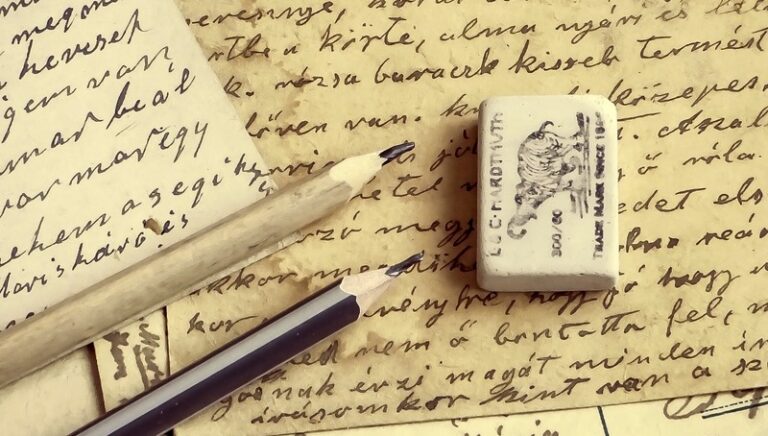
A return to the page
Ronda Beaman is urging readers back to handwritten letters, making the case that putting pen to paper can do something digital messages often cannot: slow a writer down enough to confront what they truly mean. Her new book, *A Life in Letters: Notes and Prompts for a Return to Pen and Paper*, is available from Amplify Publishing.
Beaman presents letter writing as more than a retro exercise in style or etiquette. In her view, letters create a different kind of emotional pressure than texts or emails because they feel durable. A message that can be deleted or lost in a feed does not ask the writer to decide what should last; a letter does. That permanence, she suggests, is exactly why many people avoid it.
Writing to one person
A central idea in the book is that the best letters are not written to a crowd. Beaman encourages writers to focus on a single recipient whose presence changes the atmosphere in the room, then begin from a simple, direct sentence such as what has never been fully said. The point is not to produce polished prose, but to speak plainly enough that the writing carries emotional weight.
That approach also reflects her broader view of contemporary communication. Beaman argues that modern life often rewards performance over honesty, leaving people skilled at appearing vulnerable while saying very little. A letter, by contrast, resists branding and careful image management. It eventually forces the writer to face a basic question: what do they actually mean?
Writing before the feelings are tidy
The book also pushes back against the idea that people should wait until they are fully resolved before writing. Beaman argues that the most meaningful letters often begin in uncertainty, when the writer is still working through confusion, grief, gratitude, or anger. In that sense, writing becomes a way of clarifying thought rather than merely recording it.
She repeatedly returns to the idea that silence and hesitation are part of the process. A blank page can feel intimidating, but she treats that discomfort as a sign that something important may be close to the surface. For Beaman, the goal is not to prove elegance or certainty; it is to keep going long enough for the truth to arrive.
A prompt-driven approach
To make letter writing feel more accessible, Beaman pairs her argument with prompts designed to get writers started quickly. One asks readers to write toward a single person and complete an unfinished thought. Another suggests beginning with a sentence that admits the writer does not fully understand why an issue matters, then continuing without stopping to edit. A final prompt points readers toward the letter they already know they need to write but have been postponing.
Those exercises are meant to help people move past the habit of overthinking the first draft. Beaman’s emphasis is on momentum, candor, and the willingness to begin before all the words are in place. In her framing, the act of writing is what produces clarity.
Letters as a form of connection
Beyond technique, Beaman treats letter writing as a way to preserve human connection. She argues that a letter can carry difficult truth, apology, gratitude, love, or grief in a form that feels both intimate and lasting. Even when a letter is never sent, it still imagines a listener on the other side of the page.
That belief gives *A Life in Letters* a wider literary and cultural purpose. The book suggests that correspondence is not merely a private pastime but a serious expressive form—one that can help writers say what matters before time, fear, or distraction makes it harder to say at all. In Beaman’s telling, a handwritten letter is not just communication. It is a way of letting a life arrive on the page.