C
CREATELIBRECREATE FREELY
⌕
DiscoverBooksWhat’s Reading?World Literature NewsBook FriendshipBook roomsEbooksAudiobooksCreation StudiosExperts
Log inJoin
C
CREATELIBRECREATE FREELY
Language
Explore CreateLibre
⌕Discover›▥Books›↗What’s Reading?›✦World Literature News›♡Book Friendship›◌Book rooms›▤Ebooks›▶Audiobooks›✦Creation Studios›◇Experts›
Log inJoin
← Back to World Literature News
Reviews

Lit Hub’s August 25 Daily Highlights Literature’s Reach From West Virginia to the Culture Wars

Literary Hub’s August 25 roundup brings together a technology report on endangered West Virginia scenery, an essay on the rise of Christian nationalism, and a list of new books from major authors including Rachel Cusk, Liane Moriarty, and Jill Lepore. The day’s selections show how the site continues to link books with the environmental and political pressures shaping public life.
Literary HubAugust 25, 2026 at 10:30 AM
Literary Hub

Literary Hub’s August 25, 2026 daily digest spans a wide range of subjects, but its strongest throughline is the way literature and commentary are being used to make sense of the present moment. Among the day’s featured items is a report on new data centers that are said to be threatening the natural beauty of West Virginia’s Canaan Valley, alongside an essay on the rise of Christian nationalism in the United States and a reading list of 20 new books out today.

The Canaan Valley item, filed under Lit Hub Technology, places an environmental question squarely in the context of infrastructure and development. The warning that data centers could damage the valley’s landscape underscores how debates over digital expansion now reach far beyond questions of bandwidth or computing power. For readers of literary and cultural coverage, the story points to a familiar Lit Hub concern: the collision between modern systems and the places people associate with beauty, memory, and cultural value.

That environmental thread sits beside a politically charged essay on Christian nationalism. The piece asks how the movement rose in the United States and includes a pointed reflection on how many Americans understood the nation’s moral direction differently from those who believed it was under threat. The excerpt suggests a broader historical interpretation of recent political conflict, framing Christian nationalism not as a fringe development but as a force rooted in competing visions of the country itself.

The juxtaposition is significant because it shows how Lit Hub’s daily roundup treats books and essays as tools for reading the world, not just the literary marketplace. A story about land use in West Virginia and an argument about religion and power may seem distant from one another, but together they point to the same editorial instinct: cultural coverage can reveal how public debates over environment, belief, and identity intersect.

The day’s reading list reinforces that approach by highlighting 20 new books published today. Among the titles named are works by Rachel Cusk, Liane Moriarty, and Jill Lepore, signaling a slate that reaches across fiction and nonfiction and across different readerships. The mention of those authors is also a reminder of Lit Hub’s role in tracking the publishing calendar and helping readers notice which major new books are arriving at once.

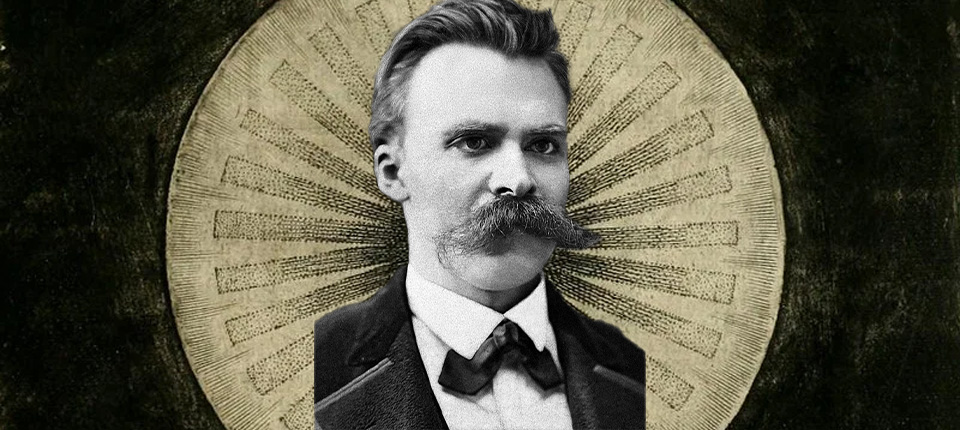
Elsewhere in the roundup, Literary Hub marked the anniversary of Friedrich Nietzsche’s death in 1900, a brief historical note that fits the site’s habit of placing literary and philosophical milestones alongside contemporary commentary. And in the visual arts, the day’s reading-list coverage includes a piece on why Hieronymus Bosch’s paintings reveal the artist’s especially pessimistic imagination, another example of Lit Hub’s broad approach to criticism across eras and media.

Taken together, the August 25 entries illustrate how a daily literature newsletter can act less like a simple book bulletin and more like a map of current anxieties and interests. Environmental degradation, political ideology, publishing news, and cultural history all appear in the same feed, suggesting that for many readers the literary sphere is still a place to follow the larger arguments shaping society. The roundup leaves little doubt that, at least on this day, books were being positioned not as an escape from the news but as one of the ways to understand it.

This independent CreateLibre summary is based on the source information linked below.

CreateLibre does not republish copyrighted reporting in full. Open-licence or licensed texts are identified separately.

Open original source ↗lithub.com
C
CREATELIBRECREATE FREELY

A creative community where stories are written, read, heard and shaped with professional publishing services.

DiscoverBooksEbooksAudiobooksWorld Literature NewsPublishExpertsMembership
Privacy & cookiesUser agreementDistance sales agreementCookie settings
●Secure connectionProtected with HTTPS and SSL/TLS encryption
Payment cards
VISAmastercardtroy
© 2026 CreateLibre · All rights reserved.