C
CREATELIBRECREATE FREELY
⌕
DiscoverBooksWhat’s Reading?World Literature NewsBook FriendshipBook roomsEbooksAudiobooksCreation StudiosExperts
Log inJoin
C
CREATELIBRECREATE FREELY
Language
Explore CreateLibre
⌕Discover›▥Books›↗What’s Reading?›✦World Literature News›♡Book Friendship›◌Book rooms›▤Ebooks›▶Audiobooks›✦Creation Studios›◇Experts›
Log inJoin
← Back to World Literature News
Publishing

A Rare LGBTQ+ Children’s Book Archive Finds a Home at San Francisco’s Mechanics’ Institute

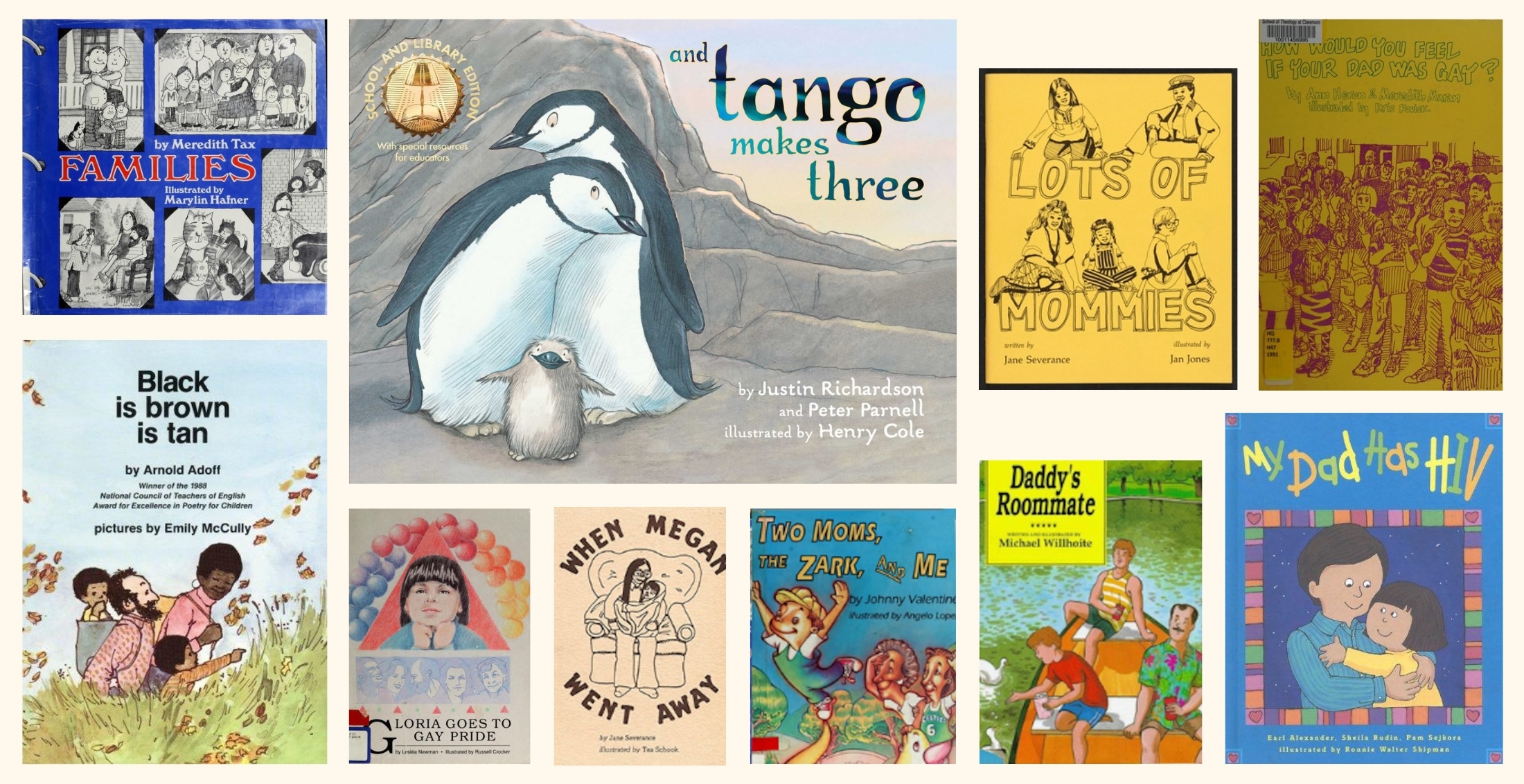
The Mechanics’ Institute in San Francisco has acquired the Tarpey–Schwed LGBT Families Children’s Book Special Collection, a trove of more than 200 queer-friendly children’s books published from 1969 to 2023. According to Literary Hub, the archive offers a rare look at the changing history of queer representation in children’s publishing and is now searchable online.
Literary HubAugust 25, 2026 at 2:24 PM
Literary Hub

The Mechanics’ Institute, one of the West Coast’s oldest cultural institutions, has become the new home of an unusual and significant literary archive: the Tarpey–Schwed LGBT Families Children’s Book Special Collection. According to Literary Hub, the collection brings together more than 200 LGBTQ+-friendly children’s books published between 1969 and 2023, offering readers, researchers, and families a chance to trace how queer lives and family structures have been represented in picture books over more than five decades.

A collection built from personal reading and long-term care

The archive was donated at the end of 2025 by Randall Tarpey-Schwed, described by Mechanics’ Institute archivist and library manager Myles Cooper as a respected collector and a notable figure in California letters. Tarpey-Schwed, who is a gay parent, began gathering these books to read to his own children. Once his daughters were grown, he looked for an institution that could preserve the collection and make it available to others. The Mechanics’ Institute, a member-supported nonprofit with deep roots in the state, proved to be a natural fit.

That placement matters because collections like this are still relatively rare. San Francisco already holds a number of archives and libraries centered on queer history, Cooper told Literary Hub, but much of that material focuses on adults rather than children. The Tarpey–Schwed collection expands that record by documenting queer family-making, a subject that has often been left out of the historical archive even when LGBTQ+ political and health histories are well represented.

The books in the collection also capture the changing shape of children’s publishing itself. Cooper noted that many of the earliest works in the queer family canon were self-published or came out through small feminist presses, which has made them difficult to locate over time. One example is Jane Severance’s Lots of Mommies, a 1983 picture book from the feminist Lollipop Power press. Its archival description says the book portrays a communal family structure in which care, work, school recognition, and adult authority are shared among several women.

From radical scarcity to broader representation

The collection also includes titles that treated marginalized families as ordinary rather than exceptional. Arnold Adoff’s Black is Brown is Tan is described as one of the first American picture books to depict an interracial family. Another key title, My Dad Has HIV, published in 1996 by Earl Alexander, Sheila Rudin, and Pam Sejkora, aimed to reduce stigma around HIV/AIDS while telling the story from a child’s perspective. In that way, the archive does more than document LGBTQ+ families alone; it also reflects how children’s books have approached race, illness, and family identity across changing publishing eras.

Cooper said the collection is especially useful because it shows a shift in emphasis across time. Earlier books, he noted, often focused on children with same-sex parents, most often lesbian or gay parents. More recent titles tend to center children who are themselves exploring identity. That evolution mirrors broader changes in queer storytelling, as children’s literature has gradually moved from representing family structures that once seemed unusual to addressing the experiences of children navigating their own identities.

The archive also preserves the tone and texture of the books themselves. Cooper observed that the early titles were not always created by people with training in child development; instead, they were often written by activists and parents. As a result, some of the stories can feel sharper and less affirming than later books. At the same time, their illustrations and design can still feel contemporary, including a stylized, moody look found in some titles from the queer imprint Alyson Wonderland.

For Cooper, one modern classic in the collection stands out: And Tango Makes Three, written by Justin Richardson and Peter Parnell and illustrated by Henry Cole. He recalled reading it to second graders at the Harvey Milk Civil Rights Academy, where many students had parents in the queer community. The response, he said, was strikingly matter-of-fact: the children simply accepted the story of two penguins raising an egg together. That memory helps explain why this archive matters beyond scholarship. It documents not only what publishers released, but also how young readers encounter queer families as something ordinary and natural.

The Mechanics’ Institute says the collection is safe in its stacks for the foreseeable future because it is an independent library, meaning the titles are not subject to review by a school board or advisory committee. Cooper hopes the acquisition will encourage similar future additions and help preserve books that have become vulnerable in today’s climate. The archive is already available online through a new Discovery Lair, and anyone interested in seeing the books in person must make an appointment. For researchers of children’s literature, and for families looking for a longer history of representation, the collection offers a rare and carefully preserved record of queer family life on the page.

This independent CreateLibre summary is based on the source information linked below.

CreateLibre does not republish copyrighted reporting in full. Open-licence or licensed texts are identified separately.

Open original source ↗lithub.com
More literary news
PublishingKirkus Spotlights Wilbert L. Cooper’s ‘The Black Shield,’ a Memoir on Black Police Identity and Public Fear→PublishingPublishers Weekly Puts Sci-Fi and Fantasy in the Indie Spotlight for August 2026→
C
CREATELIBRECREATE FREELY

A creative community where stories are written, read, heard and shaped with professional publishing services.

DiscoverBooksEbooksAudiobooksWorld Literature NewsPublishExpertsMembership
Privacy & cookiesUser agreementDistance sales agreementCookie settings
●Secure connectionProtected with HTTPS and SSL/TLS encryption
Payment cards
VISAmastercardtroy
© 2026 CreateLibre · All rights reserved.